
Genetic Testing
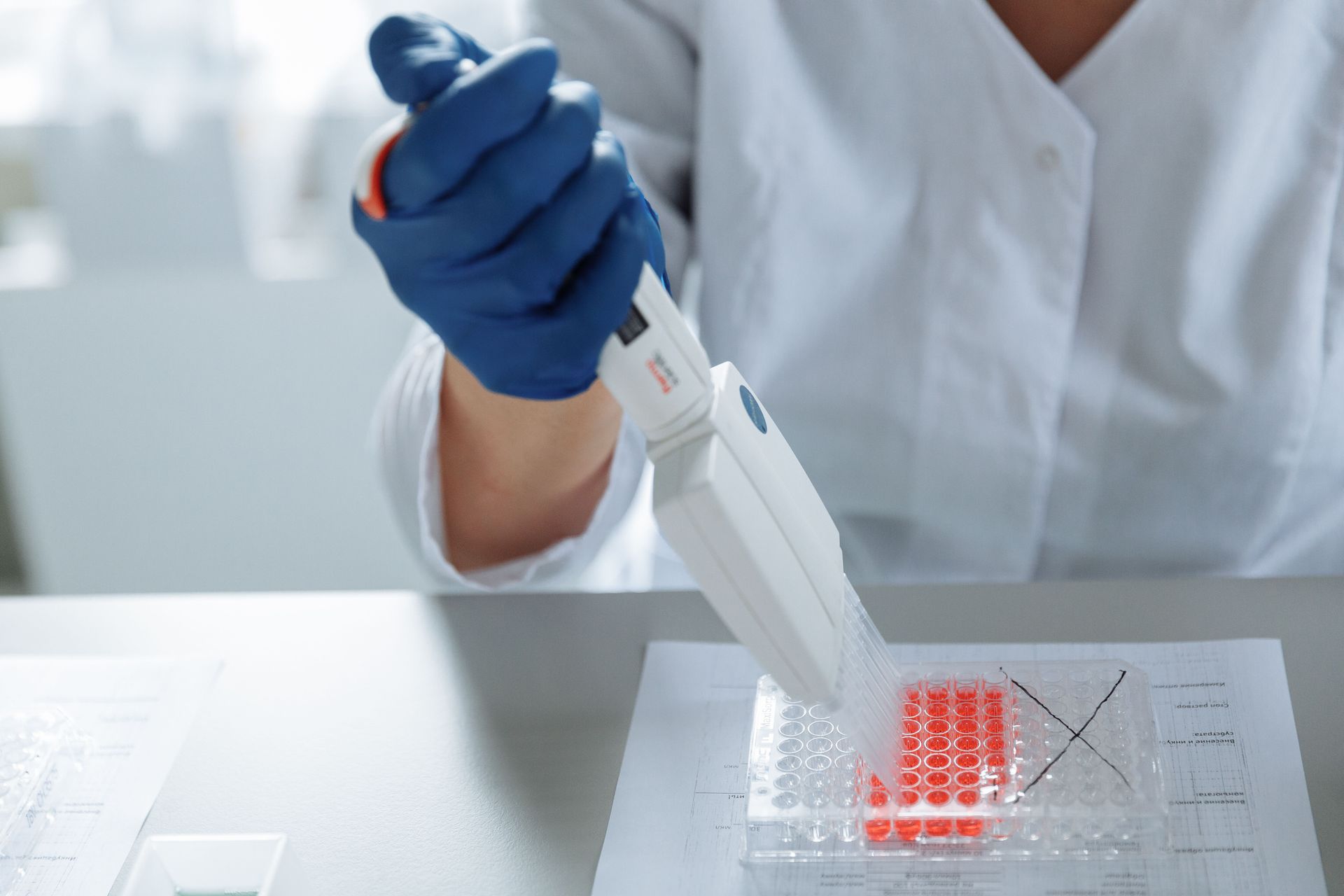
Genetic testing cannot diagnose ADHD, but it can help personalize ADHD medication management. Through pharmacogenetic testing, doctors can analyze specific genes (like CYP450) to see how your body metabolizes stimulants or non-stimulants, reducing the frustrating trial-and-error process of finding the right drug and dosage.
Medication Management

Pediatric psychiatric medication management involves the careful assessment, diagnosis, and ongoing monitoring of psychotropic medications for children and adolescents. The focus is on maximizing symptom reduction while carefully minimizing side effects to improve the child's daily functioning.
The process typically follows a structured, collaborative approach:
Initial Comprehensive Evaluation: A thorough 60-to-90-minute intake assessing the child's psychiatric history, current symptoms, family dynamics, and physical health to determine if medication is an appropriate part of the treatment plan.
Diagnosis & Psychoeducation: Pinpointing disorders like ADHD, depression, or anxiety, and explaining medication mechanisms, benefits, and risks to both the child and their parents or guardians.
Dose Titration: Carefully adjusting medication dosages over time to find the "sweet spot" that provides maximum therapeutic benefit with the fewest negative side effects.
Continuous Monitoring: Regular follow-up appointments (often monthly initially, moving to every 3-6 months once stabilized) to review the child's progress, track side effects, and adjust the treatment plan as the child grows.
Holistic Care & Coordination: Partnering with therapists, primary care doctors, and school counselors to integrate medication management with counseling, behavioral interventions, and academic support.
Crisis Intervention

Crisis intervention for children and adolescents experiencing acute psychiatric or behavioral emergencies could include suicidal ideation or behavior, self-harm, severe aggression, psychosis, trauma-related reactions, panic attacks, substance-related emergencies, or significant emotional dysregulation. Providing timely assessment, stabilization, and coordination of care to ensure the child's immediate safety is vital while addressing underlying psychiatric needs.
Patient Education

Patient education is a cornerstone of effective mental health care. It empowers patients and their families with the knowledge and skills needed to understand mental health conditions, participate actively in treatment, and improve long-term outcomes.
Key reasons patient education is important include:
- Promotes treatment adherence: Educating patients about their diagnosis, prescribed medications, potential side effects, and expected treatment outcomes helps improve adherence to medication and therapy. Patients who understand the purpose of their treatment are more likely to follow their care plan consistently.
- Enhances self-management: PMHNPs teach patients to recognize early warning signs of symptom recurrence, identify triggers, develop healthy coping strategies, and implement relapse prevention plans. These skills enable patients to take an active role in managing their mental health.
- Reduces stigma and fear: Many individuals experience shame, misconceptions, or anxiety about mental illness. Providing accurate, evidence-based information helps normalize mental health conditions, dispels myths, and encourages patients to seek and continue treatment without fear of judgment.
- Supports informed decision-making: Patient education promotes shared decision-making by ensuring patients understand the benefits, risks, and alternatives of available treatment options. This collaborative approach respects patient autonomy and often leads to greater satisfaction with care.
- Improves safety: Education about medication interactions, substance use, crisis warning signs, suicide risk, and when to seek emergency care helps reduce adverse events and promotes patient safety.
- Strengthens family and caregiver involvement: When appropriate and with the patient's consent, educating family members or caregivers enhances their ability to provide support, recognize symptom changes, and encourage adherence to treatment recommendations.
- Improves health outcomes: Patients who are well-informed are more likely to engage in healthy lifestyle behaviors, attend follow-up appointments, participate in psychotherapy, and maintain recovery, resulting in improved quality of life and reduced hospitalizations.
- Builds therapeutic relationships: Education fosters trust between the PMHNP and the patient. Taking time to answer questions, address concerns, and provide understandable information demonstrates empathy and supports a strong therapeutic alliance, which is associated with better clinical outcomes.
Anxiety/Depression

Anxiety/Depression including, but not limited to:
- Separation anxiety disorder
- Selective mutism
- Pediatric generalized anxiety
- School phobia
- Pediatric major depressive disorder
- Disruptive mood dysregulation disorder (DMDD).
Mental health conditions are complex and influenced by biological, psychological, social, and environmental factors. Rather than simply treating symptoms, we work collaboratively with patients to identify underlying contributors to anxiety or depression and develop an individualized treatment plan that promotes long-term emotional wellness and improved quality of life.
The goal is not to eliminate all anxiety, but to help patients respond to stress more effectively, reduce excessive worry, and regain confidence in their daily lives.
For pateints with depression, treatment focuses on restoring functioning while helping patients develop sustainable coping strategies and emotional resilience.
Neurodevelopmental & Behavior Disorders

- Attention-Deficit/Hyperactivity Disorder (ADHD)
- Autism Spectrum Disorder (ASD) related behavioral challenges
- Oppositional Defiant Disorder (ODD)
- Conduct Disorder.
Trauma & Stressor Disorders

- Post-Traumatic Stress Disorder (PTSD) stemming from childhood trauma
- Abuse, neglect, or attachment disruptions (e.g., Reactive Attachment Disorder)
Trauma can result from a single event or repeated exposure to stressful or threatening experiences, including abuse, neglect, domestic violence, community violence, serious accidents, medical trauma, natural disasters, grief and loss, or adverse childhood experiences (ACEs). Every individual's response to trauma is unique, and symptoms may emerge immediately or years after the event.
Trauma affects not only mental health but also brain development, emotional regulation, relationships, physical health, and a person's sense of safety. It is important to create a therapeutic environment where patients feel emotionally and physically safe, respected, and empowered throughout the treatment process.
Rather than focusing solely on symptom reduction, treatment emphasizes restoring safety, improving functioning, strengthening resilience, and helping patients reconnect with meaningful aspects of their lives.
Treatment focuses not only on surviving trauma but also on helping individuals regain a sense of purpose, confidence, connection, and hope for the future.
Obsessive-Compulsive & Tic Disorders

- OCD (Obsessive Compulsive Disorder)
- Tourette’s syndrome/tic disorders.
OCD and tic disorders frequently begin during childhood or adolescence. Therefore, the is a strong emphasis on family-centered care. Parents and caregivers are essential partners in treatment and receive education on how to support progress without unintentionally reinforcing symptoms.
Through comprehensive assessment, evidence-based medication management when indicated, patient and family education, and close collaboration with behavioral health specialists, treatment helps individuals with OCD and tic disorders better understand their conditions, manage symptoms effectively, and achieve meaningful improvements in daily functioning. By combining scientific knowledge with compassionate, individualized care, treatment empowers patients and families to move beyond symptom management toward greater confidence, resilience, and long-term wellness.
Eating Disorders

- Early-onset Anorexia Nervosa
- Bulimia nervosa
- Avoidant/restrictive food intake disorder (ARFID).
The goal it to provide holistic, patient-centered care that addresses both the psychiatric and behavioral components of eating disorders while supporting the child's physical recovery and emotional well-being. By integrating medication management, psychotherapy, family education, and interdisciplinary collaboration, the aim is to improve recovery outcomes and reduce the risk of relapse in children with eating disorders.
Early-Onset Psychosis

- Adolescent-onset schizophrenia
- Schizoaffective disorders
The goal is to provide comprehensive, patient-centered care that integrates psychiatric assessment, medication management, psychotherapy, family support, and interdisciplinary collaboration. Through early identification, evidence-based treatment, and ongoing monitoring, the goal is to help improve symptom control, reduce relapse, enhance functional outcomes, and support the child's emotional, social, and developmental well-being while empowering families to participate actively in the treatment process.