

Positioning & Latch
 Proper Positioning
Proper positioning is one of the most important factors for successful breastfeeding. When a baby is positioned correctly at the breast, they are able to achieve a deeper latch, which allows for more effective milk transfer and helps ensure they receive adequate nutrition.
Good positioning also promotes comfort for both mother and baby. A deep, comfortable latch can reduce nipple pain, soreness, and the risk of complications such as cracked nipples, plugged ducts, and mastitis. For the infant, proper alignment of the head, neck, and body supports coordinated sucking, swallowing, and breathing.
During breastfeeding, the baby's ear, shoulder, and hip should be aligned in a straight line, with the baby's body turned toward the mother rather than having to twist their neck to reach the breast. Bringing the baby to the breast, rather than leaning the breast toward the baby, helps maintain maternal comfort and supports longer, more relaxed feeding sessions.
Proper positioning helps establish a positive breastfeeding experience, encourages a healthy milk supply through effective breast emptying, and fosters the close physical and emotional bond that develops between parent and child. With guidance and practice, families can find positions that work best for them and their baby's individual needs, creating a strong foundation for a successful breastfeeding journey.
Breast Milk Storage
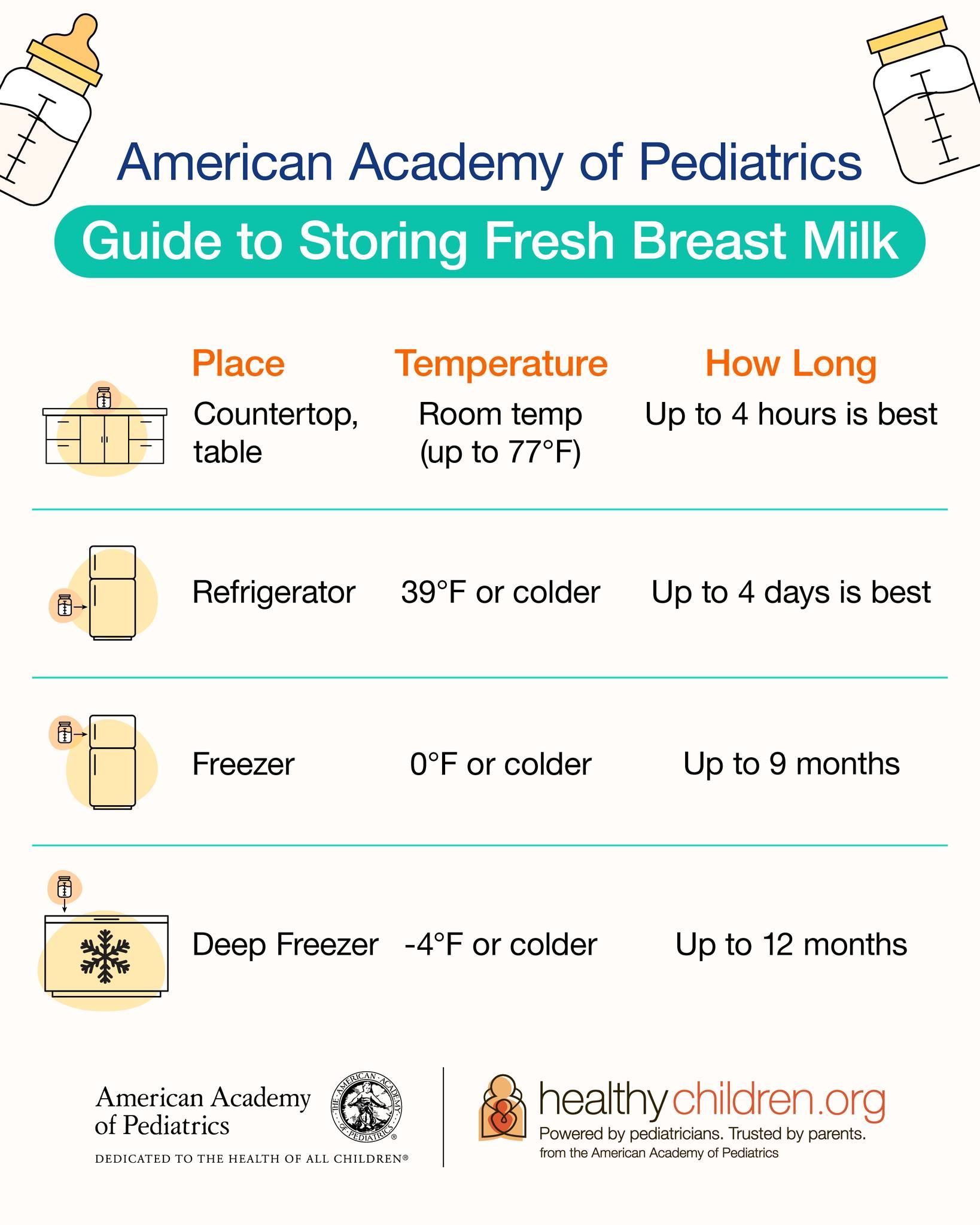 CDC Brestmilk Storage
Proper storage of expressed breast milk is essential to maintain its nutritional value and protect infants from exposure to harmful bacteria. After expressing milk, it should be stored in clean, food-grade containers or breast milk storage bags specifically designed for human milk. Each container should be labeled with the date the milk was expressed, and the oldest milk should be used first.
Freshly expressed breast milk can be kept at room temperature (up to 77°F/25°C) for up to 4 hours, refrigerated (40°F/4°C or colder) for up to 4 days, or frozen for longer-term storage. For best quality, frozen breast milk should be stored in the back of the freezer and used within 4-6 months, although it may be stored for up to 12 months in a deep freezer.
When thawing frozen breast milk, it should be placed in the refrigerator overnight or warmed gently by placing the container in warm water. Breast milk should never be microwaved, as this can create hot spots that may burn the infant and can damage important nutrients and protective properties in the milk. Once thawed, breast milk should be used within 24 hours if refrigerated and should not be refrozen.
Following proper storage guidelines helps preserve the unique nutritional and immune benefits of breast milk, ensuring that infants receive safe, high-quality nutrition whether they are fed directly at the breast or from expressed milk.
(click on link to see more)
Pumping/Expressed Milk Guidelines
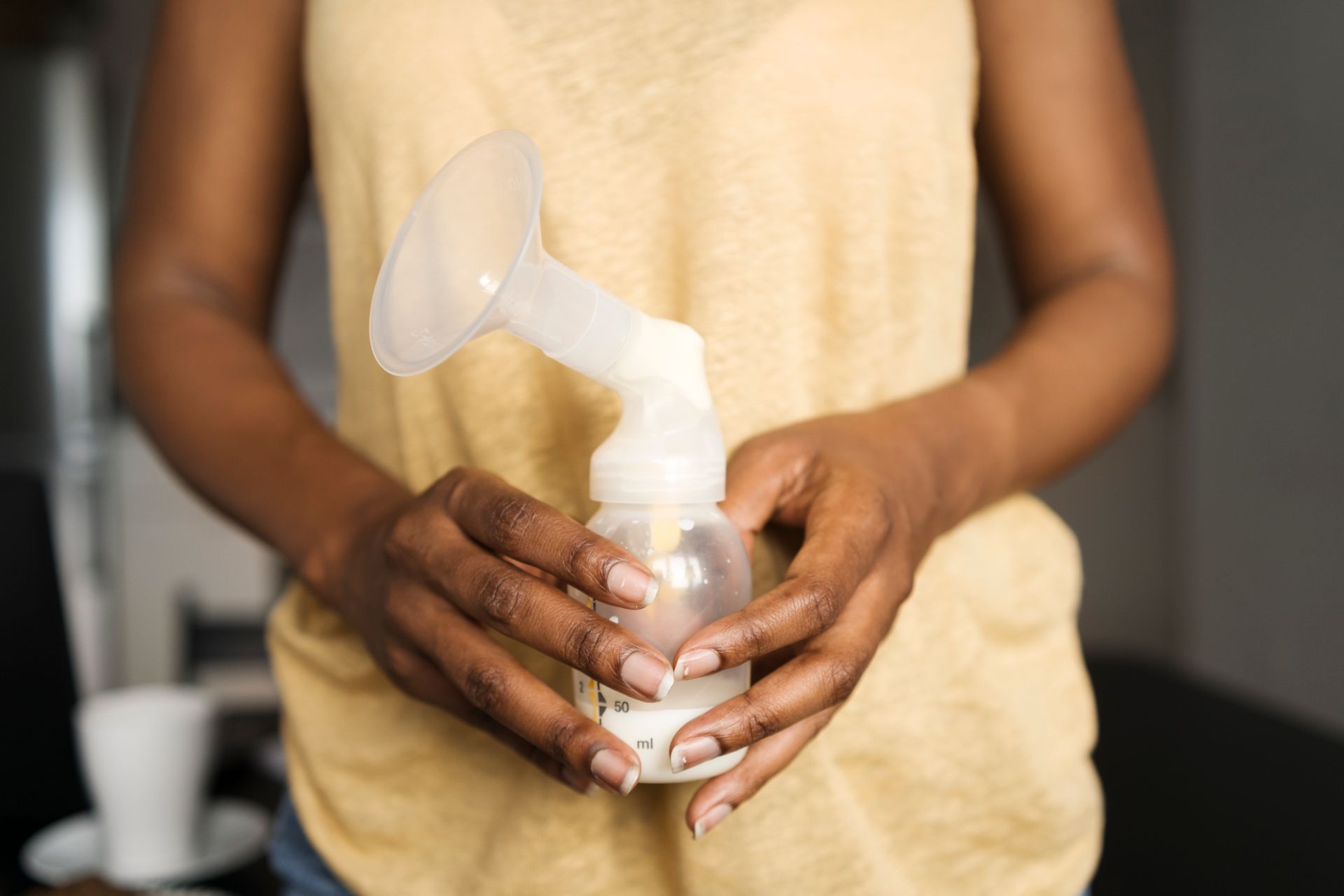 CDC Pumping Information
Proper breast milk pumping and milk expression are important skills that help maintain milk supply, provide breast milk when direct breastfeeding is not possible, and support a family's feeding goals. Whether expressing milk by hand or using a breast pump, good technique can improve comfort, maximize milk removal, and reduce the risk of breast discomfort.
Before expressing milk, hands should be washed thoroughly with soap and water, and all pump parts that come into contact with breast milk should be cleaned according to manufacturer guidelines. Finding a comfortable, relaxed environment and using techniques such as gentle breast massage, warm compresses, or looking at photos or videos of the baby may help stimulate milk let-down and improve milk flow.
When using a breast pump, it is important to ensure that the flange (breast shield) fits properly. A correctly sized flange helps maximize milk expression while minimizing nipple pain, friction, and tissue damage. Pump suction should be comfortable and should not cause pain. Pumping sessions should generally continue until milk flow slows significantly and the breasts feel softer and well-drained.
For parents who are separated from their infant or exclusively pumping, regular milk expression is essential to maintain milk production. Most breastfeeding parents need to express milk approximately every 2–3 hours, or 8–12 times in a 24-hour period, particularly during the early weeks of lactation.
Effective and consistent milk expression helps maintain a healthy milk supply, supports infant nutrition, and provides flexibility while continuing to deliver the many health benefits of human milk. Parents experiencing pain, difficulty expressing milk, or concerns about milk supply should seek guidance from a lactation consultant or healthcare provider for individualized support.
Medications and Breastmilk

Many medications can be taken safely while breastfeeding, and in many situations it is possible to continue breastfeeding while receiving necessary treatment. The safety of a medication during breastfeeding depends on several factors, including the specific medication, the dose, how often it is taken, your baby’s age and health, and how much of the medication may pass into breast milk.
It is important to always check before starting a new medication, stopping a medication, or taking over-the-counter medications, supplements, or herbal products while breastfeeding. Do not stop a prescribed medication without first speaking with your healthcare provider, as untreated health conditions can also affect your health and your ability to care for your baby.
Our team is here to help support safe breastfeeding and informed medication decisions. If there is any question or concern about whether a medication you are taking is safe while breastfeeding, please call our office to speak with one of our lactation consultants. They can help review your concerns, provide guidance, and work with your healthcare provider to determine the safest options for both you and your baby.
Your health matters, and with the right information, many parents are able to continue breastfeeding while safely managing their own medical needs.
WHEN IN DOUBT PLEASE CALL US!
508-324-6800 X344