Crisis

If the situation is urgent and cannot wait, please call Moblie Crisis or go to your local emergency room. They will connect your with the appropraite aervices.
Crisis Resources
Child & Family Services/Mobile Crisis
1052 Pleasant Street
Fall River, MA, 02723
877-996-3154
MA Behavioral Health Helpline
833-773-2245
call or text, chat at masshelpline.com
Bradley Hospital Access & Crisis Intervention
KIDS LINK RI
855-543-5465
National Suicide & Crisis Helpline 988
Parental Stress Hotline 800-632-8188
Counseling Specialists

Children experience many emotions, challenges, and changes as they grow. At times, children may benefit from additional support to help them understand their feelings, develop coping skills, and work through challenges. Counseling provides children with a safe, supportive environment where they can express themselves, learn new skills, and build confidence.
Click on the link below to find a counselor near you:
Call multiple agencies, get on multiple waitlists
Call the 1800# on your insurance card for Behavioral Health
Use www.psychologytoday.com or www.zencare.com to search
You can reach our care coordinator, Jennifer, at 508-324-6800 x356 if you are still having difficulty connecting with services.
Psychiatry

Children and adolescents can experience emotional, behavioral, and mental health challenges that may require specialized support. A child psychiatrist or psychiatric provider can help evaluate concerns, understand what may be contributing to a child’s symptoms, and develop a treatment plan to support their overall health and well-being.
Click on the link below for Pychiatric Services available near you:
Call multiple agencies, get on multiple waitlists. Be persistent!
Call the 1800# on your insurance card for a list.
Use www.psychologytoday.com to search for providers
You can reach our Care Coordinator, Jennifer, at 508-324-6800 x356 if you are still having difficulty connecting with a provider.
Neuropsychological Evaluations
 Neuropsy Testing
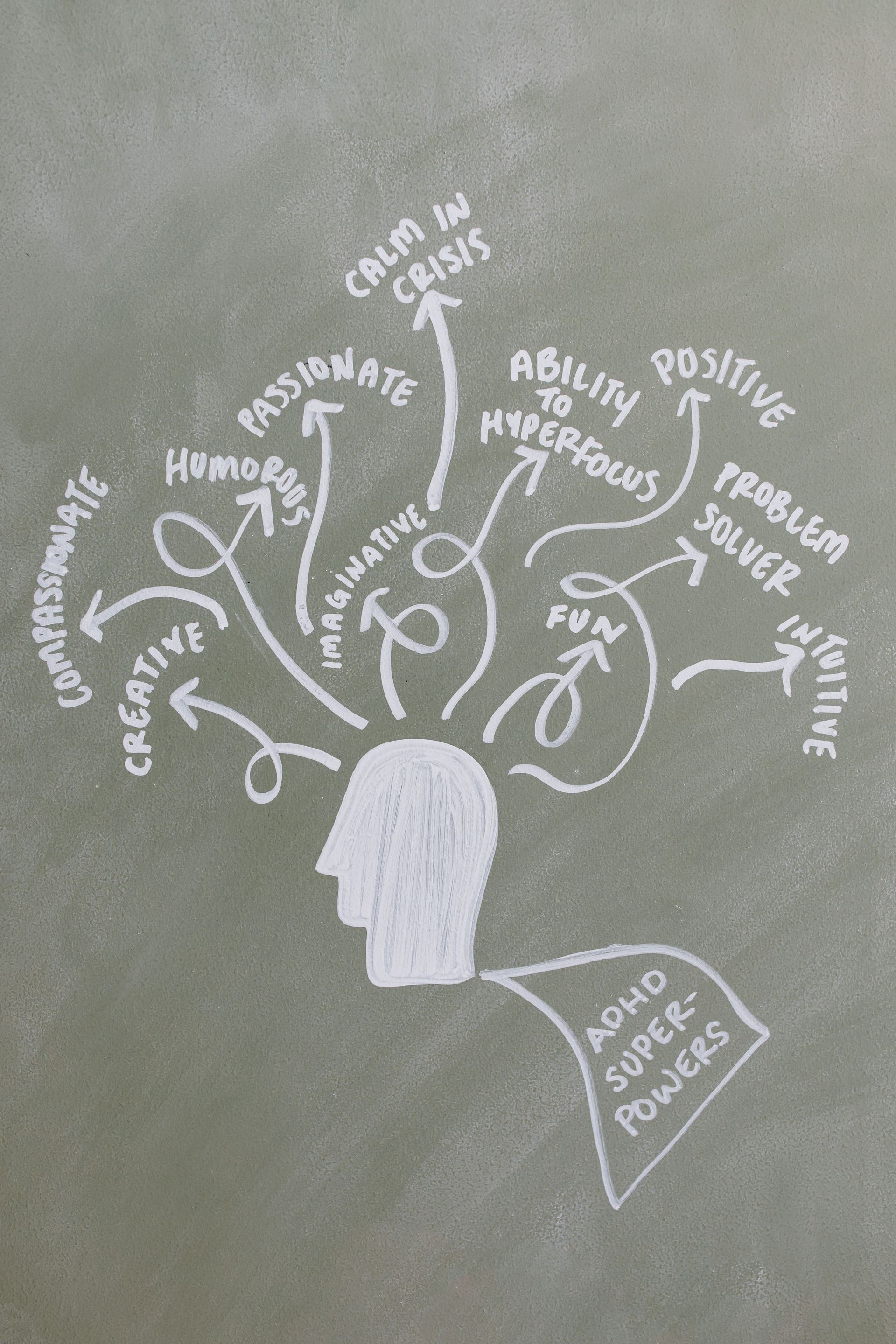
Neuropsychological testing is a detailed evaluation that looks at how a child’s brain is working in areas such as learning, attention, memory, language, problem-solving, behavior, and emotional functioning. It helps create a clearer picture of a child’s strengths and challenges so that the right supports can be put in place at home, in school, and in medical care.
What Does Neuropsychological Testing Evaluate?
Neuropsychological testing may assess:
- Attention and focus (including conditions such as ADHD)
- Learning and academic skills (reading, writing, math)
- Memory and information processing
- Language skills and communication
- Executive functioning (planning, organization, impulse control)
- Visual-spatial skills and problem-solving
- Emotional and behavioral functioning
- Social skills and adaptive functioning
It is often used when there are concerns about school performance, developmental delays, behavioral challenges, or changes after medical or neurological conditions.
Intensive Outpatient (IOP) & Partial Hospital Programs (PHP)
 Area Resources
Sometimes children and adolescents need more mental health support than traditional outpatient counseling can provide, but they may not need to stay in a hospital. Intensive Outpatient Programs (IOP) and Partial Hospitalization Programs (PHP) provide structured, higher levels of behavioral health care while allowing children to continue living at home with their families.
These programs are designed to help children who are experiencing significant emotional, behavioral, or mental health challenges and need more frequent support.
An Intensive Outpatient Program (IOP) provides several hours of mental health treatment each week while the child continues attending school and participating in home and community activities when appropriate.
A Partial Hospitalization Program (PHP) provides a more intensive level of care, often several hours per day, multiple days per week. Children attend the program during the day and return home in the evening.
Inpatient Programs

An inpatient behavioral health program provides the highest level of mental health care for children and adolescents who need 24-hour support and monitoring in a safe, structured environment. Inpatient care is designed for situations where a child’s emotional, behavioral, or psychiatric symptoms are severe enough that they cannot be safely or effectively managed through outpatient therapy, Intensive Outpatient Programs (IOP), or Partial Hospitalization Programs (PHP).
Inpatient programs provide short-term, intensive treatment focused on helping children stabilize, develop coping strategies, and create a plan for continued support after discharge.
Child & Family Services of New Bedford
Youth Community Crisis Stabilization (YCCS)
965 Church St
New Bedford, MA 02745
508-984-4175
- up to age 18
- takes Masshealth
Southcoast Behavioral Health
581 Faunce Corner Rd
Darmouth, MA 02747
508-207-9800
- ages 5+
- takes Masshealth
Walker - ICBAT
1968 Central Ave
Needham, MA 02492
781-898-8720
- Children under the age of 13
- Takes Masshealth
Fransiscan Children's - McLean
30 Warren St
Brighton, MA 02135
617-659-5087
- Children age 4 - 14 years old
- Takes Masshealth
McLean Southeast
23 Isaac St
Middleboro MA 02346
774-419-1124
- Children 3 - 18 years old
- Takes Masshealth
Bradley Hospital Child & Adolescent Inpatient Program
1011 Veterans' Memorial Parkway
E. Providence, RI 02915
855-543-5465
- Chilren 2 -18 years old
- Please call Bradley Access to start intake process
Autism

Autism Spectrum Disorder (ASD) is a neurodevelopmental condition that affects how a person communicates, interacts with others, learns, processes information, and experiences the world. Autism is called a “spectrum” because it can look very different from one child to another. Some children may need significant support in daily activities, while others may have strong independence but experience challenges with social communication, sensory processing, or flexibility with change.
A Behavioral Health Coordinator does not replace a developmental specialist or therapist but serves as a bridge between families, healthcare providers, and community services to help children receive timely, coordinated support.
Applied Behavior Analysis (ABA) is an evidence-based therapy that uses positive reinforcement to teach children with autism essential communication, social, and daily living skills while reducing harmful behaviors. The goal is to build independence, not to force neurotypical conformity
Click above for local resources
Other Resources
- Community Autism Resources - Family Support Center for Bristol County for those with an autism diagnosis. Provides support and resources to children and their families. Can be reached at 508-379-0371 or http://community-autism-resources.com/
- Autism Insurance Resource Center - provides assistance to families navigating insurance coverage https://massairc.org/
- Big Red Safety Box - free-of-charge toolkit given to autism families in need as a means to educate, raise awareness and provide simple tools that may assist them in preventing, and responding to, wandering-related emergencies. https://nationalautismassociation.org/big-red-safety-box/
- Flutie Foundation - provides direct financial assistance through multiple grants for things like safety related items, recreational activities, therapies, and more https://flutiefoundation.org/
- DDS/SSI - Department of Developmental Services (DDS) to explore resource options and Supplemental Security Income (SSI). The Fall River office is located at 1 Father DeValles Blvd, Unit 3, Fall River, MA 02723 and can be reached at 508-730-1209 apply for DDS https://www.mass.gov/dds-eligibility-services apply for SSI https://www.mass.gov/info-details/apply-for-ssdi-or-ssi-benefits
- Boston Medical Center Autism Program - comprehensive list of resources on a variety of topics, this is a great resource available to anyone - even if you are not a patient at BMC! https://www.bmc.org/pediatrics-autism-program/resources
Eating Disorders

Eating disorders are serious behavioral health conditions that affect a person’s relationship with food, eating, body image, and self-esteem. They are not simply about food choices or weight — they often involve emotional, psychological, and physical health concerns. Eating disorders can affect teens of any gender, body type, background, or age.
Common eating disorders in adolescents include:
Anorexia Nervosa
Anorexia involves significant restriction of food intake, an intense fear of gaining weight, and a distorted perception of body size or shape.
Teens with anorexia may:
- Eat very small amounts or skip meals
- Avoid certain foods or food groups
- Have strong concerns about weight or appearance
- Exercise excessively
- Experience changes in energy, mood, or physical health
Bulimia Nervosa
Bulimia involves episodes of eating large amounts of food (binge eating) followed by behaviors intended to prevent weight gain, such as vomiting, excessive exercise, or misuse of medications.
Signs may include:
- Feeling a loss of control around eating
- Secretive eating behaviors
- Frequent trips to the bathroom after meals
- Feelings of guilt, shame, or distress related to eating
Binge Eating Disorder
Binge eating disorder involves repeated episodes of eating a large amount of food with a feeling of loss of control, without regular compensatory behaviors afterward.
Teens may experience:
- Eating when not physically hungry
- Eating quickly or in secret
- Feeling embarrassed, upset, or guilty afterward
- Emotional distress related to eating patterns
Avoidant/Restrictive Food Intake Disorder (ARFID)
ARFID involves avoiding or limiting food intake due to factors such as sensory sensitivities, fear of choking or vomiting, or lack of interest in eating. Unlike anorexia, ARFID is not driven by concerns about body weight or appearance.
Helpful Websites:
- Hasbro Children's Hospital Eating Disorders Program
- Boston Children's Hospital Eating Disorders Program
- Monte Nido/Walden Eating Disorder Care(Virtual IntensiveOutpatient/Partial Hospital Programs, as well as in person Day and Inpatient Programs)
- Equip (Virtual IOP/PHP)
- Charlie Health(Virtual IOP)
- Be Collaborative Care(Rhode Island - Outpatient therapy and medication management, IOP/PHP)
- Evolution Nutrition(Rhode Island - Registered Dieticians)
- Project Heal- National nonprofit dedicated to removing barriers to treatment through cash assistance, case management, and connection with treatment providers and free support groups
- Project Heal Application for financial assistance
Other